It’s Good To Forget ... Sometimes

DSC_5458.jpeg
DSC_5448.jpeg
DSC_5425.jpeg
DSC_5401.jpeg
DSC_5404.jpeg

On Monday we decide to head to Grand Lake St. Marys for some hiking. I was also excited to get a few photos. I loaded up and off we went.

Sadly, after we arrived, I realzied I had left my camera at home. We still hiked .. Teresa shot a few photos, but I only shot a couple using my iPhone. Not the experience I was hoping for, but it was nice to be out and the weather was beautiful.

When we started talking about our plans for Tuesday, we decided to go back to the lake, but this time with my camera gear along for the action. We had seen two large eagle nest the day before, and I was excited about the possibilities.

I’ll cut to the photos here:

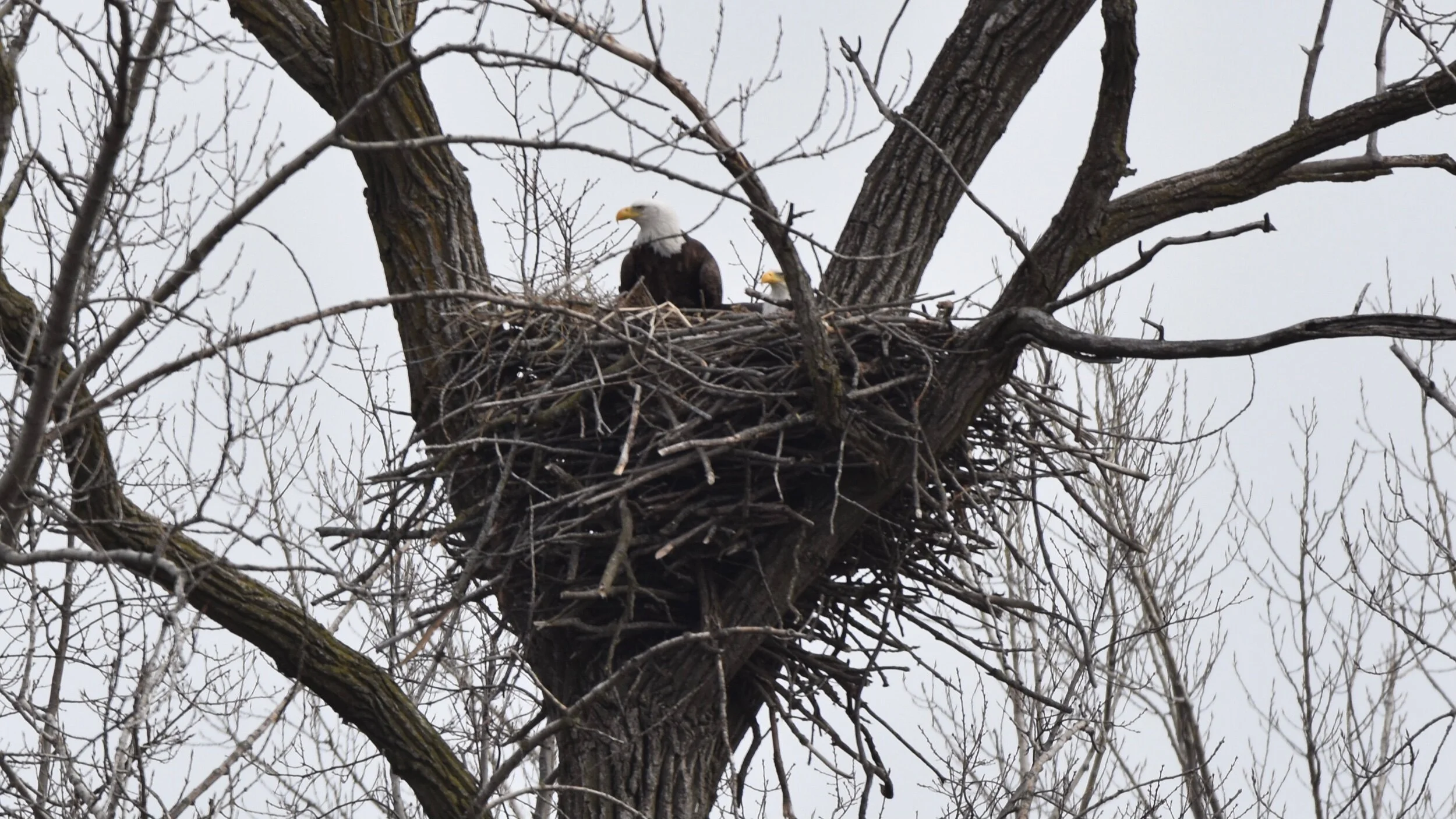
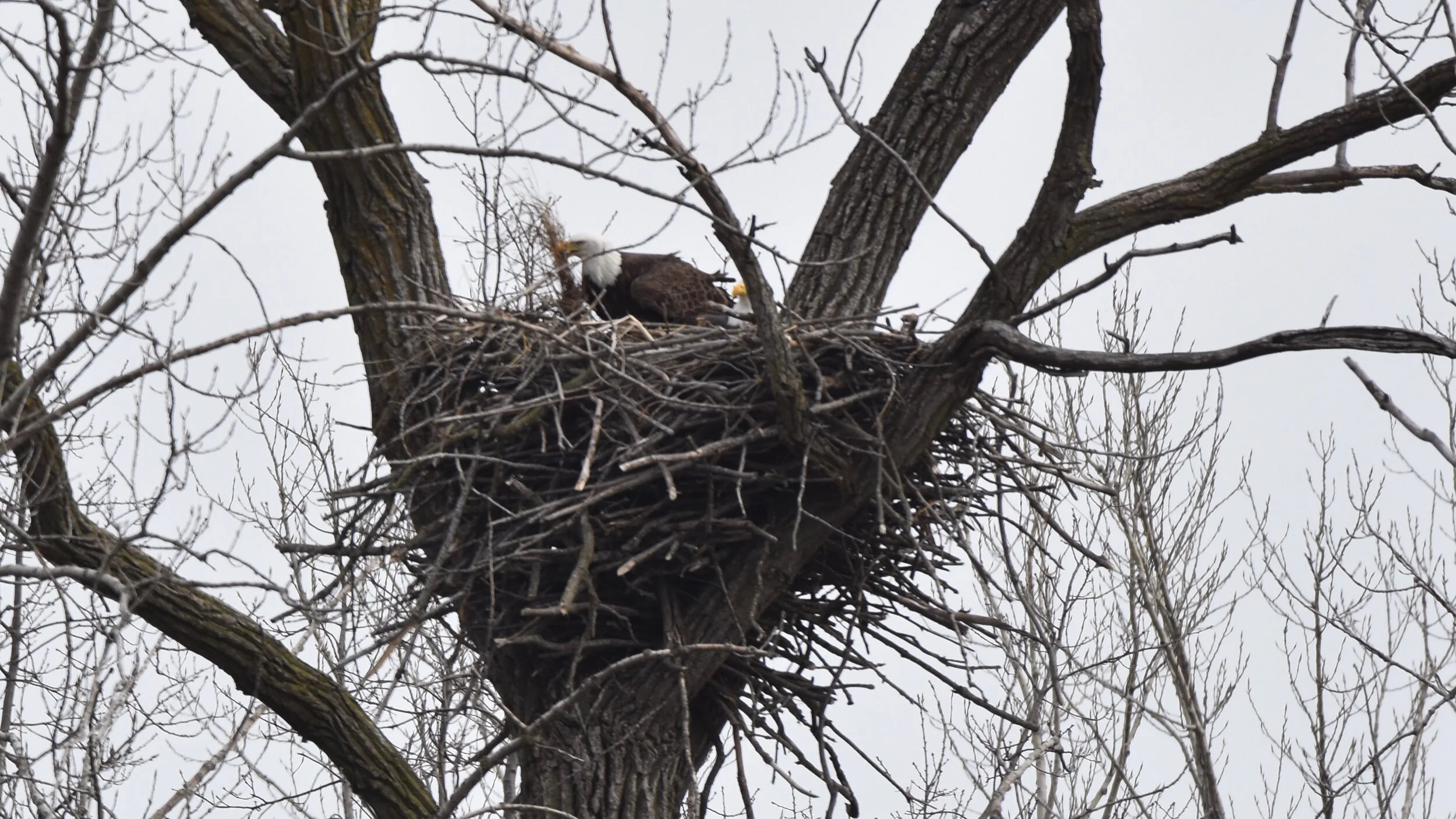
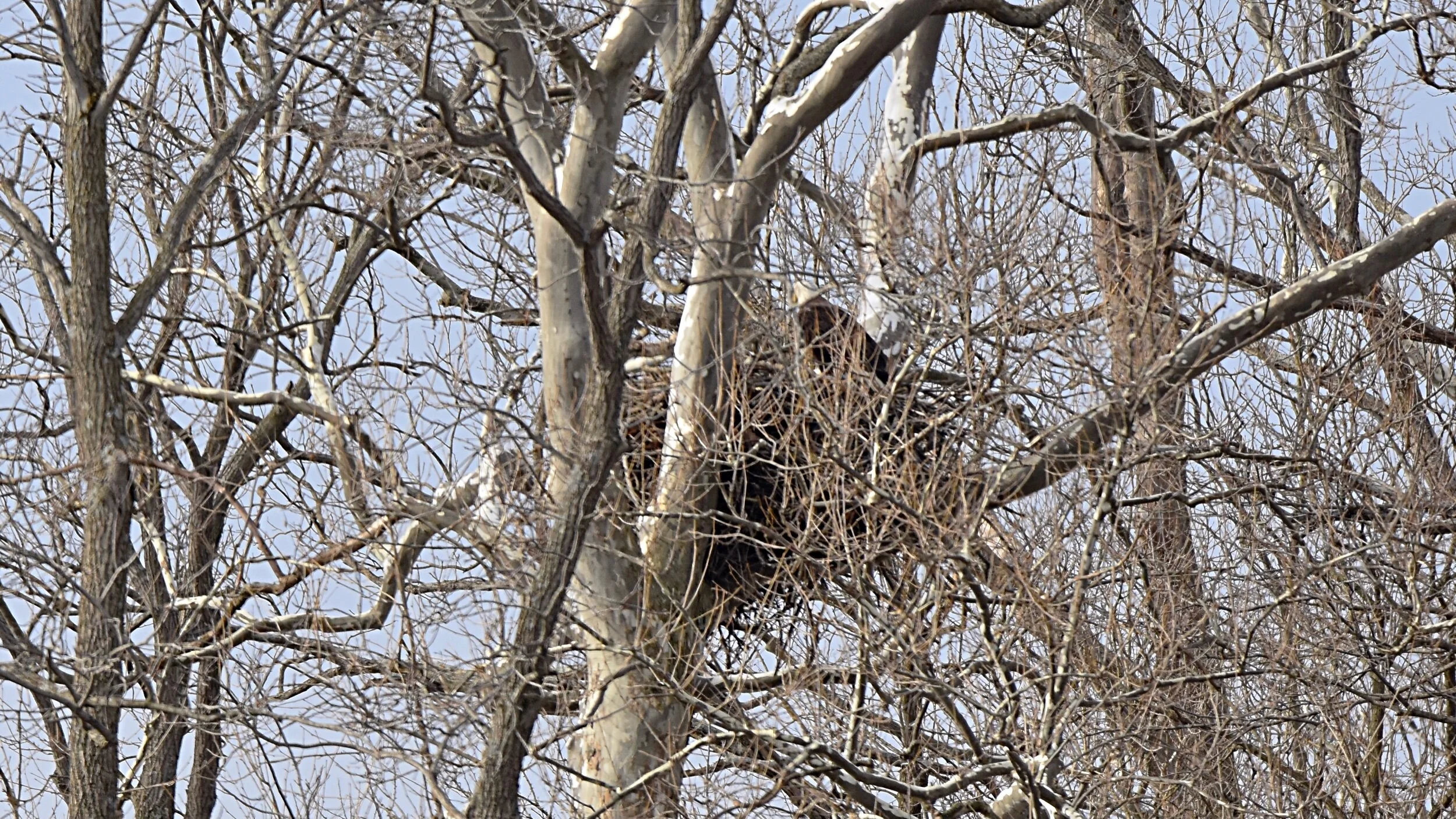
We saw five different Bald Eagles. The top two photos were taken just off of SR127, just sound of Celina, Ohio. In the second photo, if you look close, you will see two eagles in the nest.

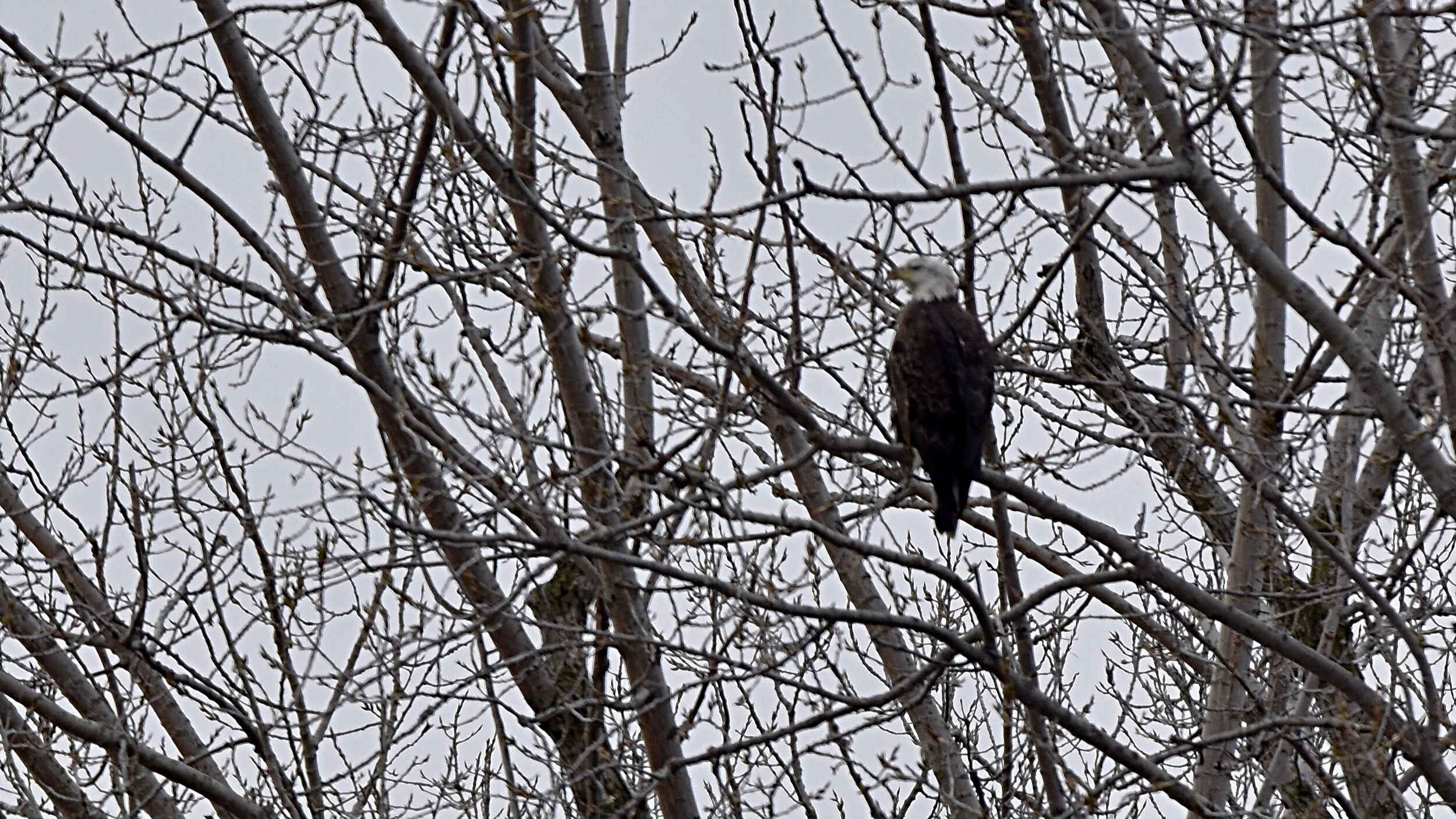
The next photo was shot at Windy Point. It was a very difficult photo given the distance involved, but it turned out to be better than I expected. She flew away when we tried to hike closer.

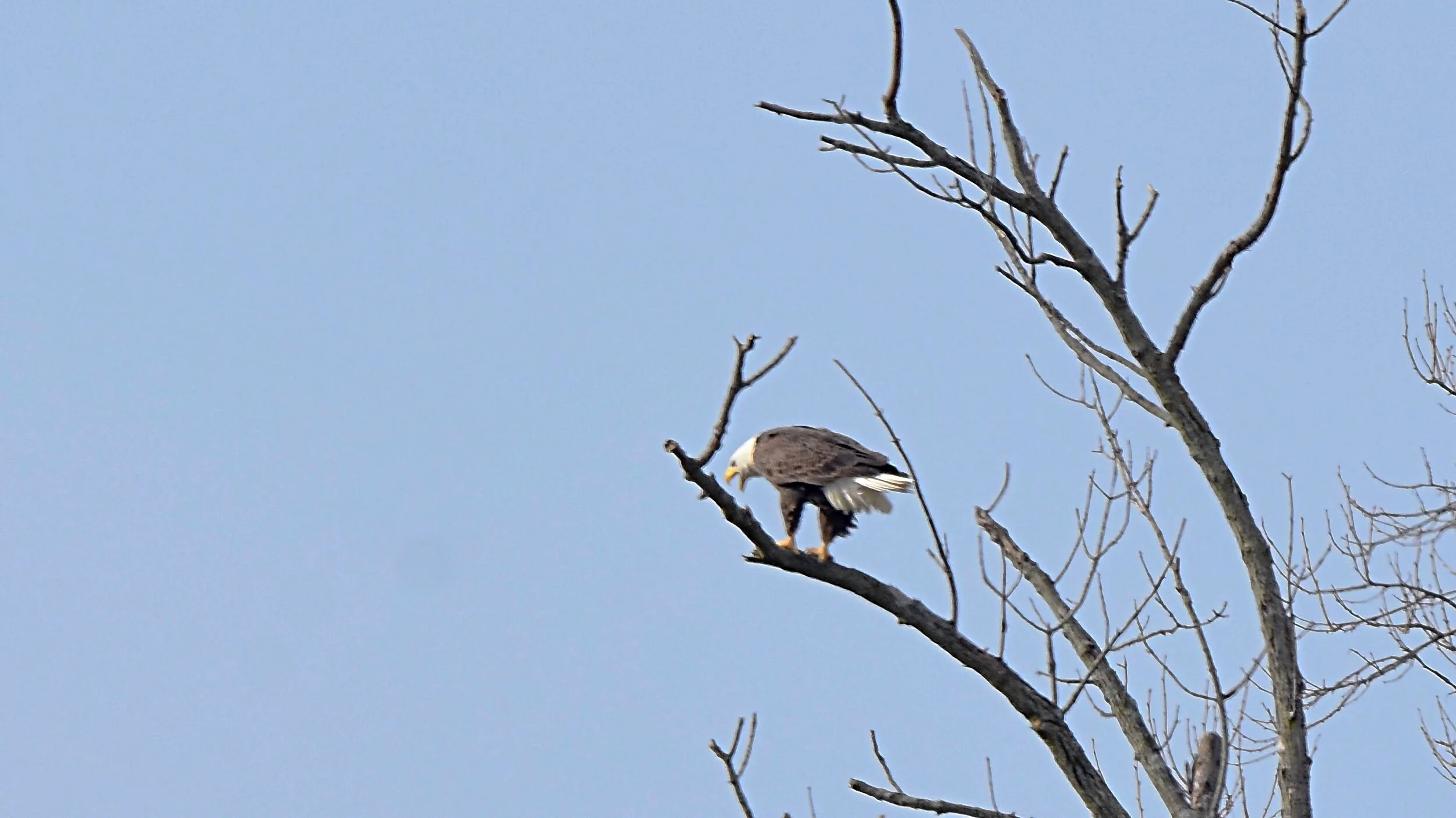
The last two photos were taken at a nest near Houston, Ohio just off of SR66. Again, two eagles at this nest when we arrived. One flew to a nearby tree for the photo op.

Think about this for a second. That is amazing. It was not long ago that it was rare to see a single bald eagle ... We saw five of them in one morning.

What a great day. I am grateful that I forgot my camera and had to go back a second day. Nature was kind to us.

~ Rick


Rick’s latest technology muse:

Check out our vlog, which includes more pictures and video on YouTube at tales.photos. Remember to subscribe!

Prints are available for many of the photos on this site on canvas, metal or glass. Contact Rick for more information.

©2019 ©2020 Rick Cartwright

Double-click to edit...

Bug Hunters

DSC_5511.jpeg
DSC_5187.jpeg

I love the White-breasted Nuthatch. They are a very cool bird that never rest. They are always going up and down the trees looking for lunch (bugs).

~ Rick


Rick’s latest technology muse:

Check out our vlog, which includes more pictures and video on YouTube at tales.photos. Remember to subscribe!

Prints are available for many of the photos on this site on canvas, metal or glass. Contact Rick for more information.

©2019 ©2020 Rick Cartwright

Double-click to edit...

Hiding Place

DSC_5395.jpeg

I shot this photo of this Red-winged Blackbird this past weekend. He was hiding in the trees until just after I photographed him. I really like this photo.

~ Rick


Rick’s latest technology muse:

Check out our vlog, which includes more pictures and video on YouTube at tales.photos. Remember to subscribe!

Prints are available for many of the photos on this site on canvas, metal or glass. Contact Rick for more information.

©2019 ©2020 Rick Cartwright

Double-click to edit...

Still Uniquely Ugly

DSC_0020.jpeg

The Black Vulture do not normally fly as far north as our normal hiking area. We saw these as we were driving from site to site just south of Piqua. I was driving while Teresa captured this photo.

I think in the years I have been photographing birds, I have only seen a black vulture this far north once. They are different than Turkey Vultures ... a little more about this species:

The black vulture is a scavenger and feeds on carrion, but will also eat eggs or kill newborn animals (livestock such as cattle). In areas populated by humans, it also feeds at garbage dumps. It finds its meals either by using its keen eyesight or by following other (New World) vultures, which possess a keen sense of smell. Lacking a syrinx—the vocal organ of birds—its only vocalizations are grunts or low hisses. It lays its eggs in caves or hollow trees or on the bare ground, and generally raises two chicks each year, which it feeds by regurgitation. In the United States, the vulture receives legal protection under the Migratory Bird Treaty Act of 1918. (Wikipedia)

~ Rick


Rick’s latest technology muse:

Check out our vlog, which includes more pictures and video on YouTube at tales.photos. Remember to subscribe!

Prints are available for many of the photos on this site on canvas, metal or glass. Contact Rick for more information.

©2019 ©2020 Rick Cartwright

The Carolina Chickadee

DSC_5218.jpeg
DSC_4465.jpeg

The Carolina chickadee is a beautiful bird.

A note from Wikipedia about the diet of this cool bird:

These birds hop along tree branches searching for insects, sometimes hanging upside down or hovering; they may make short flights to catch insects in the air. Insects form a large part of their diet, especially in summer; seeds and berries become important in winter. They sometimes hammer seeds on a tree or shrub to open them; they also will store seeds for later use.

During the fall migration and winter, chickadees often flock together. Many other species of birds, including titmice, nuthatches, and warblers can often be found foraging in these flocks. Mixed flocks stay together because the chickadees call out whenever they find a good source of food. This calling out forms cohesion for the group, allowing the other birds to find food more efficiently.

~ Rick


Rick’s latest technology muse:

Check out our vlog, which includes more pictures and video on YouTube at tales.photos. Remember to subscribe!

Prints are available for many of the photos on this site on canvas, metal or glass. Contact Rick for more information.

©2019 ©2020 Rick Cartwright

Double-click to edit...