One Large Woodpecker

DSC_2616.jpeg
DSC_2615.jpeg
DSC_2625.jpeg

The Pileated Woodpecker is a large bird. I can always spot them just from the size when they are flying. I love the red crown.

A few facts from wikipedia about this very cool woodpecker:

Pileated woodpeckers mainly eat insects, especially carpenter ants and wood-boring beetle larvae. They also eat fruits, nuts, and berries, including poison ivy berries. Pileated woodpeckers often chip out large and roughly rectangular holes in trees while searching out insects, especially ant colonies. They also lap up ants by reaching with their long tongues into crevices. They are self-assured on the vertical surfaces of large trees, but can seem awkward while feeding on small branches and vines. They may also forage on or near the ground, especially around fallen, dead trees, which can contain a variety of insect life. They may forage around the sides of human homes or even cars, and can occasionally be attracted to suet-type feeders. Although they are less likely feeder visitors than smaller woodpeckers, pileateds may regularly be attracted to them in areas experiencing harsh winter conditions.\

Usually, pileated woodpeckers excavate their large nests in the cavities of dead trees. Woodpeckers make such large holes in dead trees that the holes can cause a small tree to break in half. The roost of a pileated woodpecker usually has multiple entrance holes. In April, the hole made by the male attracts a female for mating and raising their young. Once the brood is raised, the birds abandon the hole and do not use it the next year. When abandoned, these holes—made similarly by all woodpeckers—provide good homes in future years for many forest songbirds and a wide variety of other animals. Owls and tree-nesting ducks may largely rely on holes made by pileateds in which to lay their nests. Even mammals such as raccoons may use them. Other woodpeckers and smaller birds such as wrens may be attracted to pileated holes to feed on the insects found in them. Ecologically, the entire woodpecker family is important to the well being of many other bird species. The pileated woodpecker also nests in boxes about 4.6 m (15 ft) off the ground.

Enjoy the weather for a couple of more days:).

On another note: I have a rose gold 40mm, Series 4 Apple Watch for sale. $200. It is in good condition and comes with the band, charging brick, and charging cable.

~ Rick


Rick’s latest technology muse:

Check out our vlog, which includes more pictures and video on YouTube at tales.photos. Remember to subscribe!

Prints are available for many of the photos on this site on canvas, metal or glass. Contact Rick for more information.

©2019 ©2020 Rick Cartwright

IMG_2063.jpeg

Caption This Photo

DSC_2631.jpeg
DSC_2576.jpeg

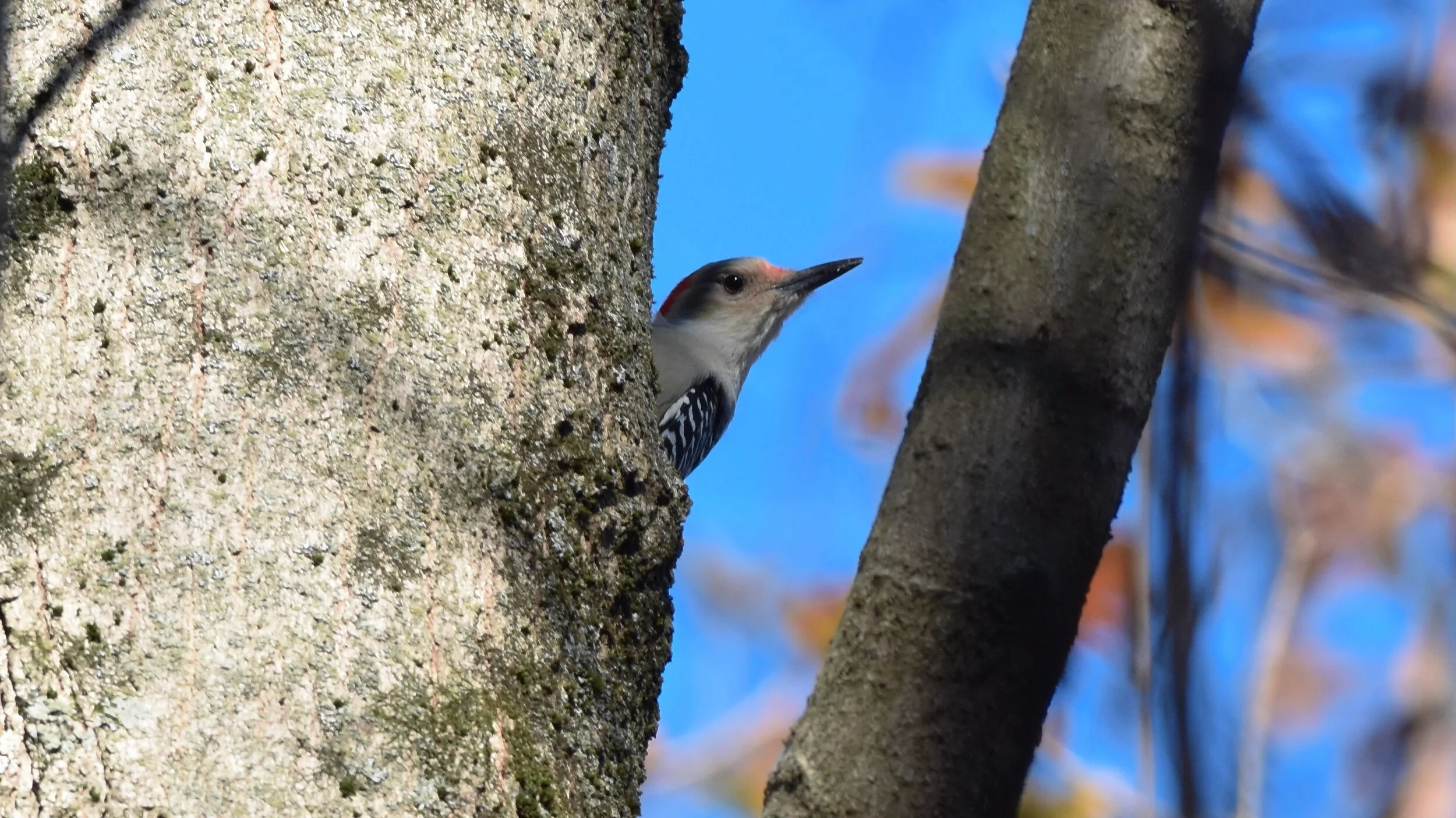
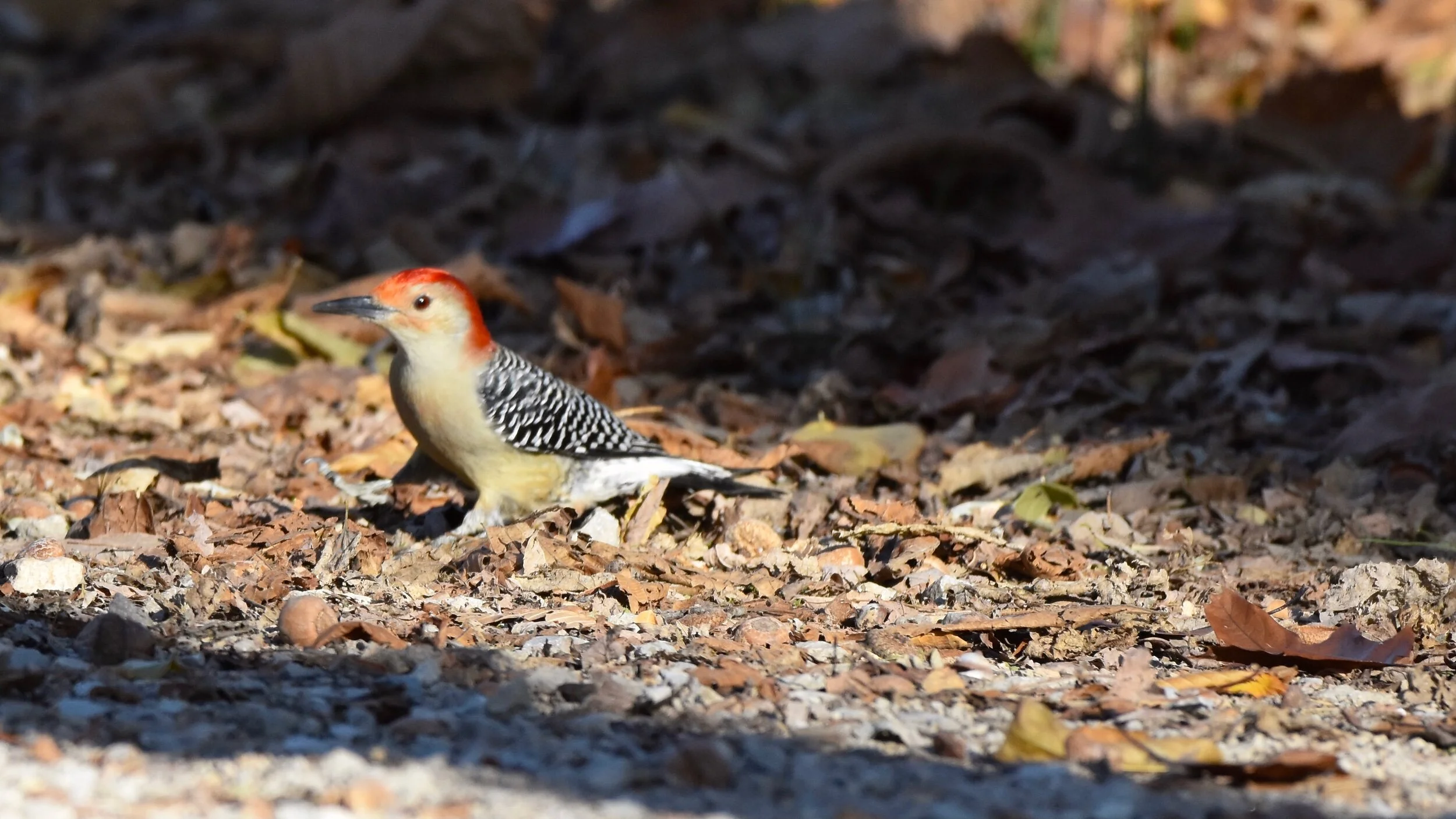
Two different Red-bellied Woodpeckers, and I saw more while hiking this week. The first shot is so funny. LOL!

How about suggesting a caption for the first photo? I’ll use it to post the first photo to instagram. So funny.

~ Rick


Rick’s latest technology muse:

Check out our vlog, which includes more pictures and video on YouTube at tales.photos. Remember to subscribe!

Prints are available for many of the photos on this site on canvas, metal or glass. Contact Rick for more information.

©2019 ©2020 Rick Cartwright
A Wren

DSC_2597.jpeg
DSC_2595.jpeg

It has been a while since we have seen, and even longer since either of us have photographed a Carolina Wren. We saw this one while we were hiking at Charleston Falls Preserve this week. Such a unique looking birds I am always excited when I get to photograph one.

I think many people often call small birds wrens when in fact they are wraplers or other species. This is a real wren. 😬

~ Rick

***
Rick’s latest technology muse:

Check out our vlog, which includes more pictures and video on YouTube at tales.photos. Remember to subscribe!

Prints are available for many of the photos on this site on canvas, metal or glass. Contact Rick for more information.

©2019 ©2020 Rick Cartwright
A Chickadee Fact

DSC_2442.jpeg
DSC_2441.jpeg
DSC_0002.jpeg

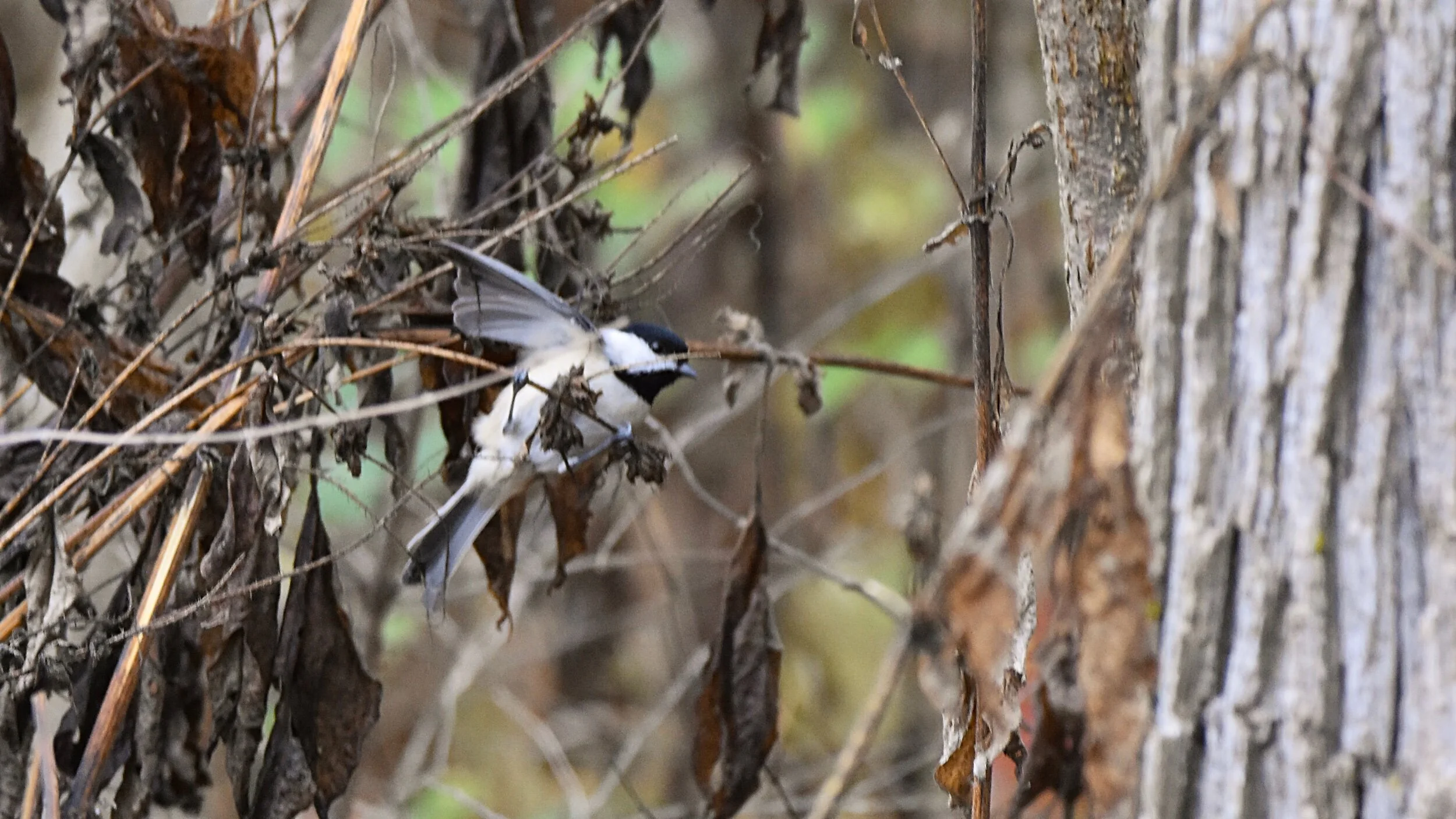
We saw a number of Carolina Chickadee’s while hiking last week. Teresa captured the 3rd photo .. I think the lighting made it look yellow. Such a beautiful bird.

A cool fact about the Chickadee’s ability to regulate body temperature:

Carolina chickadee on a branch Carolina chickadees are able to lower their body temperatures to induce an intentional state of hypothermia called torpor. They do this to conserve energy during extremely cold winters. In extremely cold weather conditions they look for cavities where they can hide in and spend up to fifteen hours at a time in torpor; during this time they are awake but unresponsive; they should not be picked up and handled at this time, as the stress of being held may cause their death. Wikipedia

churr-churr-churr

DSC_2447.jpeg

It seems that every year about this time I start to see more woodpeckers. I have seen several Red-bellied Woodpecker this week. They are far more common than some of their cousins.

I read this on Wikipedia .. it is certaily ture:

Red-bellied woodpeckers are noisy birds, and have many varied calls. Calls have been described as sounding like churr-churr-churr or thrraa-thrraa-thrraa with an alternating br-r-r-r-t sound. Males tend to call and drum more frequently than females, but both sexes call. The drum sounds like 6 taps. Often, these woodpeckers "drum" to attract mates. They tap on hollow trees, and even on aluminum roofs, metal guttering and transformer boxes in urban environments, to communicate with potential partners. Babies have a high-pitched begging call of pree-pree-pree. They will continue to give a begging call whenever they see their parents for a while after fledging. Wikipedia.

Have a great week.

~ Rick


Rick’s latest technology muse:

Check out our vlog, which includes more pictures and video on YouTube at tales.photos. Remember to subscribe!

Prints are available for many of the photos on this site on canvas, metal or glass. Contact Rick for more information.

©2019 ©2020 Rick Cartwright