A Fishing King

DSC_2765.jpeg

Teresa was the first to see this Kingfisher over the Great Miami River. I would have missed this photo.

The weather is cooling back off to more normal temperatures. We are not hiking as much but we are still getting out. I miss summer.

~ Rick


Rick’s latest technology muse:

Check out our vlog, which includes more pictures and video on YouTube at tales.photos. Remember to subscribe!

Prints are available for many of the photos on this site on canvas, metal or glass. Contact Rick for more information.

©2019 ©2020 Rick Cartwright

Fall Textures

DSC_0023.jpeg
DSC_2770.jpeg

I love the textures in this photo. When we think of fall, we normally talk about the colors. This photo has colors, but I love the textures. The trees are mostly devoid of leaves although some still hold on to their colors.

This is the Miami River on the north side of Piqua. Teresa shot the top photo, and I took the second one. I love the photo she captured .. beautiful.

Enjoy your day.

~ Rick


Rick’s latest technology muse:

Check out our vlog, which includes more pictures and video on YouTube at tales.photos. Remember to subscribe!

Prints are available for many of the photos on this site on canvas, metal or glass. Contact Rick for more information.

©2019 ©2020 Rick Cartwright

Mallard Colors

DSC_2753.jpeg
DSC_2747.jpeg

Mallards are very common here in Ohio. When the lighting is right, the colors of the male Mallard blow me away. They are beautiful.

~ Rick


Rick’s latest technology muse:

Check out our vlog, which includes more pictures and video on YouTube at tales.photos. Remember to subscribe!

Prints are available for many of the photos on this site on canvas, metal or glass. Contact Rick for more information.

©2019 ©2020 Rick Cartwright

Give Me Some Fruit

DSC_2686.jpeg

We ran across several Cedar Waxwings while hiking this week. They have a thing for fruit (See the Wikipedia entry below).

The cedar waxwing eats berries and sugary fruit year-round, including "dogwood, serviceberry, cedar, juniper, hawthorn, and winterberry",[6] with insects becoming an important part of the diet in the breeding season. Its fondness for the small cones of the eastern redcedar (a kind of juniper) gave this bird its common name. They eat berries whole. They sometimes fly over water to catch insects. The cedar waxwing is sometimes responsible for significant damage to commercial fruit farms and thus can be considered a pest, especially because it feeds in large groups.

When the end of a twig holds a supply of berries that only one bird at a time can reach, members of a flock may line up along the twig and pass berries beak to beak down the line so that each bird gets a chance to eat.

Sometimes, cedar waxwings will eat fruit that is overripe and has begun to ferment, intoxicating the bird.

~ Rick


Rick’s latest technology muse:

Check out our vlog, which includes more pictures and video on YouTube at tales.photos. Remember to subscribe!

Prints are available for many of the photos on this site on canvas, metal or glass. Contact Rick for more information.

©2019 ©2020 Rick Cartwright

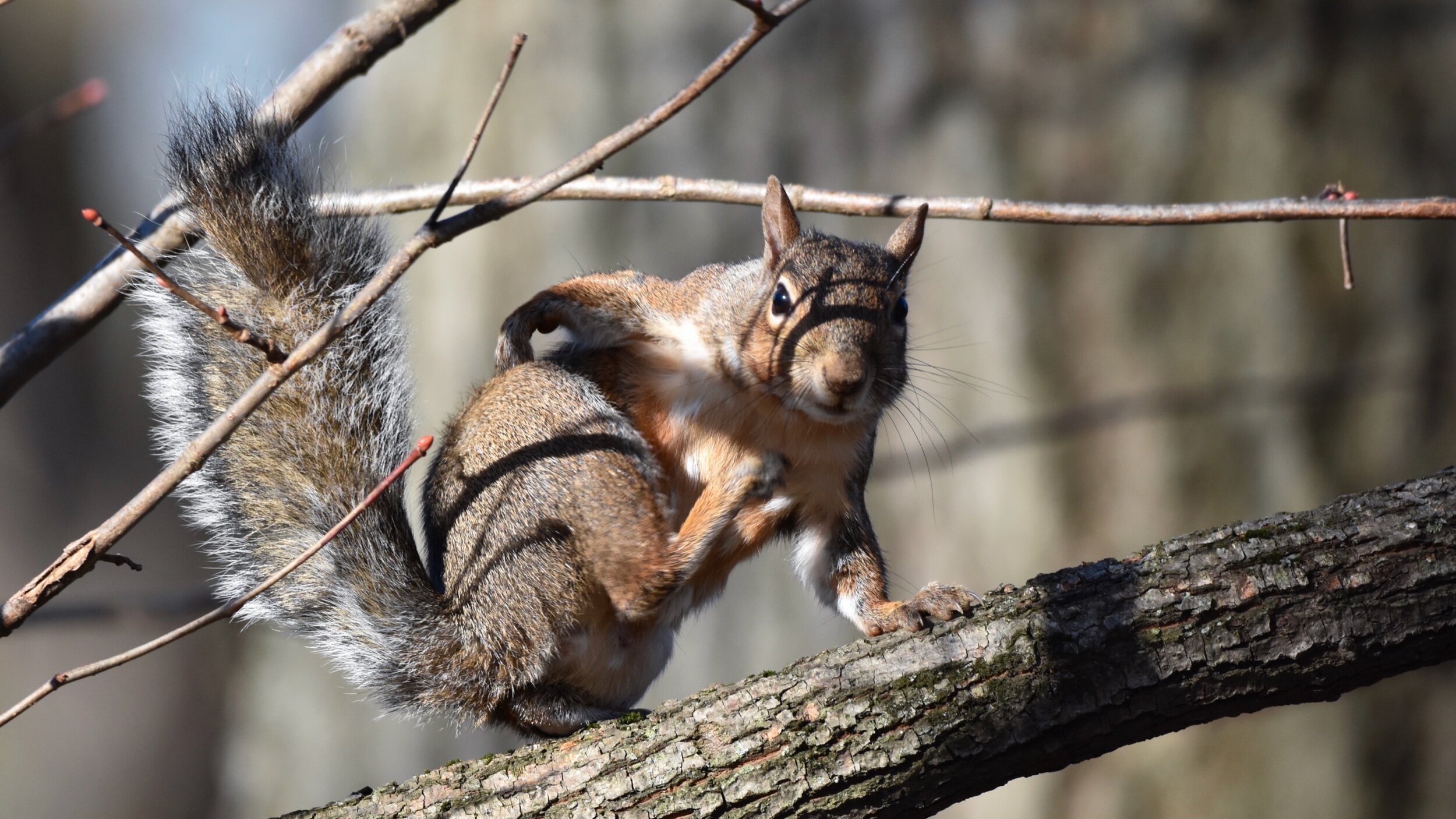
Scratch That Itch

DSC_2582.jpeg

Even the common squirrel has to scratch an itch sometimes.

~ Rick


Rick’s latest technology muse:

Check out our vlog, which includes more pictures and video on YouTube at tales.photos. Remember to subscribe!

Prints are available for many of the photos on this site on canvas, metal or glass. Contact Rick for more information.

©2019 ©2020 Rick Cartwright